
Stay Safe and See Clearly: Why Goggles Are Crucial for Winter Mountain Days
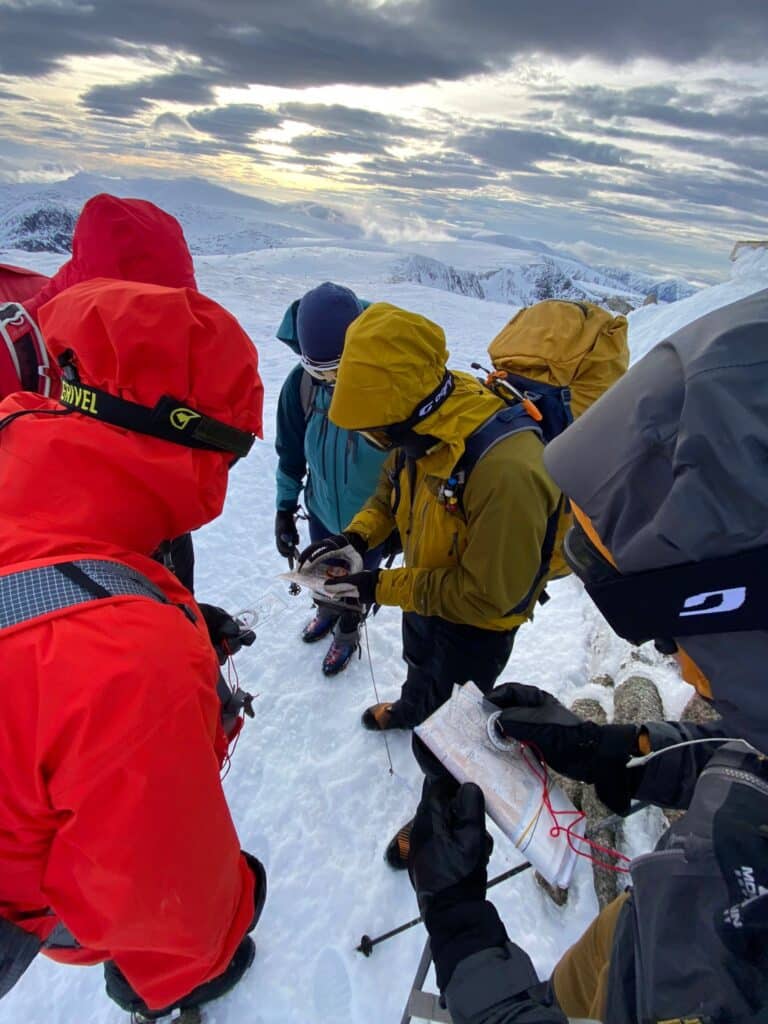
If there’s one thing that can ruin a winter day in the hills, it’s faff — and nothing creates more faff than poorly managed goggles. On every winter skills course I run, someone struggles with scratched lenses, fogging, icing, or forgetting goggles entirely.
Yet a good pair of winter goggles can transform your day. Clear vision keeps you safe, warm, and confident when wind, spindrift, and low visibility roll in. These winter goggles tips will help you avoid fogging, maximise comfort, and stay focused on moving safely.
Best Winter Goggles Tips (Field-Tested)
1. Choose the Right Lens for Winter Conditions
- Clear or yellow double lenses offer the best visibility in low light.
- Double lenses resist fog far better than single-lens options.
- For most UK winter conditions, bright tints are usually too dark.
2. Keep Your Goggles Warm
Cold lenses fog instantly. To prevent this:
- Store them wrapped in a soft hat or buff
- Keep them inside your jacket if you’re not wearing them
- Avoid clipping them to the outside of your rucksack
Warm goggles = clear goggles.
3. Put Them On Once and Leave Them On
One of the most common mistakes on winter skills courses is constantly taking goggles on and off. This allows damp air in and reduces clarity.
Once you’ve fitted them properly, commit to wearing them through the worst weather.
4. Start Completely Dry to Prevent Fogging
This single step dramatically improves goggle performance:
- Dry your face fully
- Keep wet hair out of the frame
- Fit them in shelter or out of strong wind
- Avoid breathing into them while adjusting
Dry skin and dry foam give you the best foundation for fog-free performance.
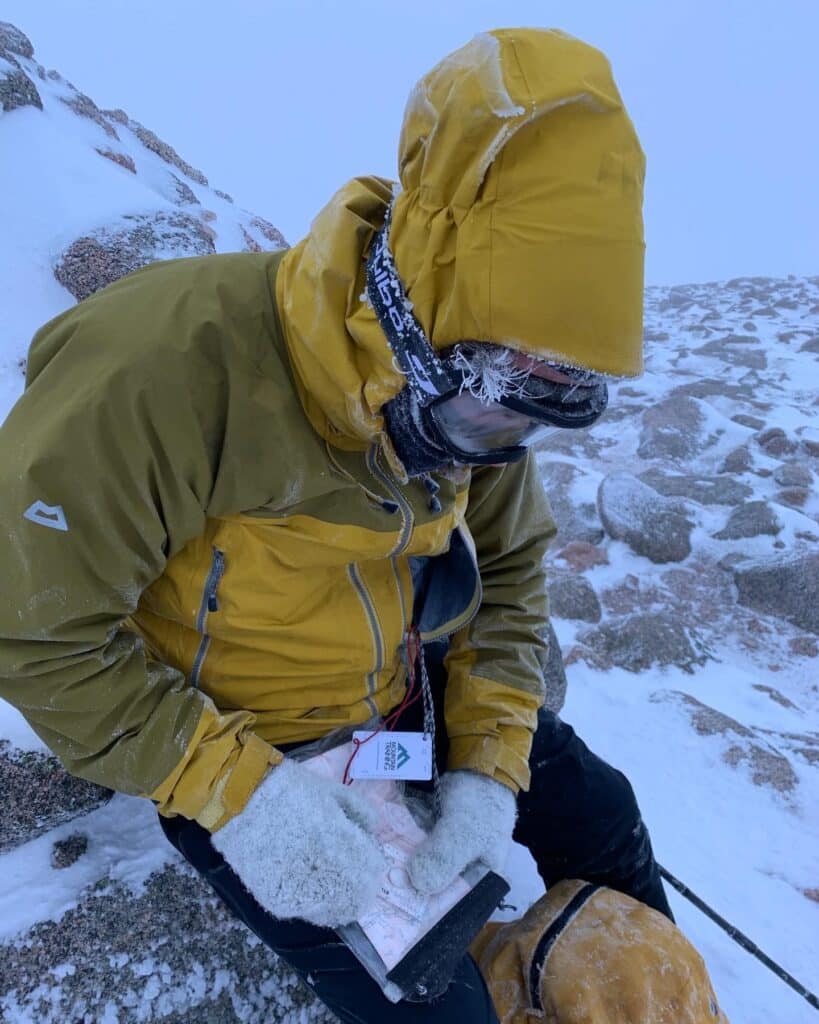
5. Wear a Thin Balaclava for Extra Protection
A lightweight balaclava helps:
- Keep your skin dry
- Reduce moisture transfer into the goggles
- Direct breath downward, not upward
- Prevent spindrift from hitting your face
It’s one of the most underrated winter mountaineering hacks.
6. Put the Strap Over Your Hood
For a better seal and more stability:
- Position the band outside the hood
- Avoid loosening the strap mid-storm
- Pre-adjust it at home before the trip
This simple tweak stops snow creeping under the frame.
7. Wipe Carefully (If You Must)
To avoid scratching or damaging the anti-fog coating:
- Use something soft like the back of your glove
- Wipe gently and only when necessary
- Avoid wiping the inside of the lens if possible
If your lenses become badly scratched, it’s worth replacing them — visibility matters.
Pro Winter Goggles Advice
Prepare the Fit Before You Go
Adjust the strap at home with warm hands, not in a storm with frozen ones.
Carry a Microfibre Cloth (In a Sealable Bag)
Use it to dry the frame foam or your skin, not the inner lens.
Pack a Spare Pair
A cheap backup pair in your rucksack lid weighs very little and can save a day if your main goggles ice up or break.
Why Good Goggle Admin Reduces Risk
Clear vision reduces:
- Navigation errors
- Rushed decisions
- Slips and stumbles
- Exposure to wind chill
Good goggles aren’t just about comfort — they’re a safety tool that improves your winter movement, judgement, and confidence.
Final Thoughts: Make Goggles Part of Your Winter System
With the right setup, goggles become one of the most valuable pieces of winter kit you carry. Warm, dry, fog-free lenses let you move efficiently, stay warm, and make smart decisions even in harsh weather.
Follow these winter goggles tips and you’ll feel the difference on your very next outing.
What’s Your Best Goggle Tip?
Share your experience below — what’s worked for you, and what’s gone wrong? Your advice might help someone have a safer winter day out.